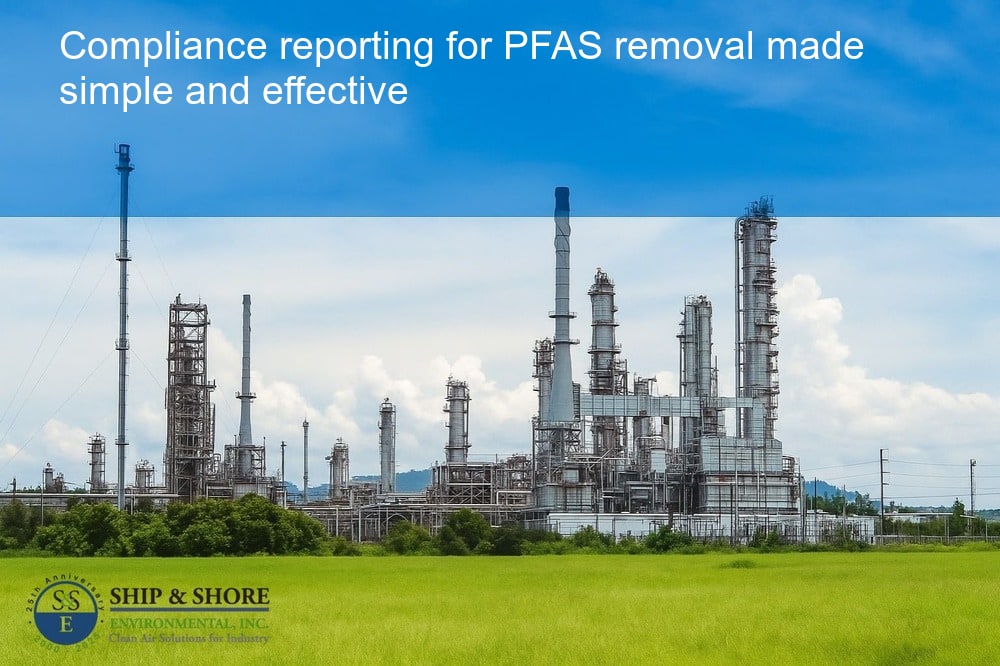
Compliance reporting for PFAS removal made simple and effective
August 28, 2026 4:25 amNavigating Compliance Reporting for PFAS Removal: A Modern Imperative
As a leader in the environmental solutions sector, we at Ship & Shore Environmental recognize the rising complexity of compliance reporting for PFAS removal. With evolving environmental regulations and growing public scrutiny, organizations managing per- and polyfluoroalkyl substances (PFAS) must adopt streamlined, accurate, and transparent reporting processes. The responsibility to protect water sources, communities, and ecosystems from these persistent chemicals no longer lies solely with regulatory agencies-it now rests heavily on our ability to document and communicate PFAS remediation outcomes. In this article, we explore the landscape of PFAS, key data collection strategies, regulatory hurdles, and the forward-looking best practices every organization must embrace for compliance success.
Understanding PFAS and Regulatory Challenges
PFAS compounds have come under increasing regulatory attention due to their durability and potential health effects. These fluorinated chemicals, used widely in industrial applications and consumer goods, resist degradation and accumulate in the environment, leading to persistent contamination of water sources. As awareness of the risks has grown, so too have both state and federal efforts to regulate PFAS, particularly in water management and treatment facilities.
Organizations like ours play a critical role in not only removing PFAS from municipal and industrial water streams but in ensuring our activities are accurately reported to demonstrate regulatory compliance. The reporting landscape presents unique challenges. Laws, such as those enforced under the Toxic Substances Control Act (TSCA), require stringent documentation of PFAS handling, monitoring, and elimination. Regulatory agencies demand actionable data to verify treatment efficacy, compliance with discharge limits, and adherence to recordkeeping protocols.
For more information on regulatory requirements for PFAS reporting, the EPA provides detailed resources outlining these obligations. Our ability to meet such expectations directly impacts our clients’ operating licenses, reputation, and ability to provide safe water.
The rapid evolution of PFAS regulations means that we must stay current and agile. Navigating regional differences, understanding acceptable detection limits, and proactively addressing anticipated changes in reporting standards are essential steps in protecting our organization, our partners, and the environment.
Why Accurate PFAS Data Collection Matters
Reliable PFAS data collection underpins every aspect of compliance reporting for PFAS removal. Without precise data, organizations risk providing incomplete or inaccurate information, leading to regulatory penalties or eroded public trust. Our ongoing commitment to data integrity ensures that management teams, regulators, and local communities can evaluate remediation efforts with confidence.
Accurate data answers three essential questions:
- What concentrations of PFAS are present before and after treatment?
- What specific compounds are detected in water sources and waste streams?
- How consistently are elimination targets being met across operational cycles?
A robust monitoring system employs advanced analytical techniques-such as liquid chromatography-mass spectrometry (LC-MS)-to consistently achieve detections below the regulatory thresholds. Combined with digital reporting systems, this ensures that PFAS data is recorded in real-time and readily available for audits or public disclosure requests. The integration of automated sensors and cloud-based databases greatly improves the traceability and reliability of our compliance documentation.
Beyond regulatory demands, thorough data collection enables organizations to optimize removal technologies. By analyzing trends over time, we can identify the most effective treatment methods, such as granular activated carbon filtration, ion exchange resins, or advanced oxidation processes. This data-driven approach leads to continuous improvements, reduced operational costs, and enhanced environmental performance.
Compliance Reporting for PFAS Removal: Key Considerations for Treatment Facilities
Meeting the challenge of compliance reporting for PFAS removal involves more than just gathering data. Treatment facilities, whether municipal or industrial, must establish robust protocols that address the entire span of PFAS remediation activities-monitoring, documenting, and proving the success of elimination efforts.
Reporting Requirements and Documentation Protocols
Every facility managing PFAS-affected water sources is subject to extensive regulatory requirements. The core elements of a reliable reporting system include:
- Regular submission of analytical results detailing influent and effluent PFAS concentrations
- Accurate inventory and chain-of-custody records for all sampling activities
- Detailed process documentation, including treatment system descriptions, maintenance, and operational logs
- Verification of disposal or destruction of PFAS-laden waste streams
Documentation should be transparent, easily traceable, and protected from inadvertent modification. Many regulators require digital submission of reports in standardized formats, enabling easy review and auditability. We help our clients develop integrated reporting templates and training programs, ensuring all personnel involved in PFAS remediation understand the critical nature of accurate reporting.
Strategies for Streamlining PFAS Compliance Reporting
Optimizing the compliance reporting process delivers significant operational and regulatory benefits. Organizations can adopt the following best practices:
- Automate data capture with real-time monitoring devices and centralized reporting platforms
- Implement internal quality audits to ensure procedures are followed consistently
- Establish regular communication channels with regulators for early identification of compliance gaps
- Leverage digital twin simulations to forecast treatment outcomes and plan system upgrades
By employing these strategies, we help clients not only meet existing standards but also proactively anticipate future requirements. Our expertise in PFAS remediation empowers organizations to seamlessly integrate compliance reporting for PFAS removal into daily operations, reducing administrative overhead while improving outcome transparency.
Documenting and Demonstrating PFAS Elimination in Water Treatment
A cornerstone of compliance reporting for PFAS removal is the clear demonstration of successful contaminant elimination. Documenting PFAS removal performance is not only essential for regulatory approval, but also for building stakeholder trust. Each phase of the remediation process, from initial assessment to final disposal of residuals, must be meticulously tracked.
Our team supports clients by developing comprehensive documentation protocols. We focus on providing:
- Granular before-and-after analyses of water samples
- Lifecycle assessments of treatment equipment and materials
- Documentation of maintenance, calibration, and system modifications
- Evidence of safety procedures and staff training records
Close collaboration with clients through regular reporting cycles empowers them to deliver timely, detailed compliance submissions to regulators. We continuously review and upgrade reporting workflows to address new data requirements as regulations evolve. Our advanced solutions include real-time alerts for out-of-compliance events, ensuring immediate corrective actions are taken.
Documenting effective PFAS disposal is equally vital. Records should demonstrate that treatment byproducts are either safely contained or destroyed through approved methods such as incineration or advanced oxidation. This holistic reporting approach eliminates gaps that could otherwise result in compliance violations.
To learn more about how we approach full-spectrum PFAS compliance solutions, visit our service pages for water treatment and scrubber and VOC abatement systems.
Best Practices and Future Trends in Compliance Reporting for PFAS Removal
Sustained regulatory compliance requires a forward-thinking mindset. PFAS regulations continue to develop, with greater emphasis on transparency, public access to data, and lifecycle management of remediation byproducts. As an industry partner, we guide clients to adopt best practices that future-proof their compliance programs.
Key actions that position organizations for ongoing success include:
- Implementing dynamic, cloud-based data management platforms that facilitate immediate access to historical and current records
- Enhancing cross-functional training to ensure all departments understand their roles in the compliance chain
- Engaging with local communities by providing regular updates on remediation progress and water quality improvements
Looking ahead, compliance reporting for PFAS removal will increasingly leverage artificial intelligence to flag anomalies, predict treatment failures, and automate documentation-reducing human error and increasing accuracy. Blockchain-based tracking may further improve data security and transparency throughout the supply chain. As we implement these advanced digital solutions, stakeholders will benefit from reduced reporting burdens and unprecedented reliability.
Staying informed on legislative updates is crucial. We recommend monitoring resources like the EPA’s TSCA Section 8(a)(7) reporting information for ongoing guidance. By investing in modular treatment and reporting systems, such as those offered in our VOC abatement engineering suite, organizations gain flexibility to scale or adapt as requirements change.
Digitization, ongoing education, and the pursuit of new technologies are the cornerstones of an effective, future-ready compliance program.
Partnering for PFAS Compliance Success
As PFAS regulations grow in scope and complexity, the demand for transparent, robust compliance reporting for PFAS removal continues to rise. Organizations cannot afford to treat reporting as an afterthought-it must be an integral part of every PFAS remediation and water treatment initiative. Our role at Ship & Shore Environmental is to guide clients toward reliable, auditable compliance processes, from initial site assessment through final cycle closure.
By embracing smart data collection, diligent documentation, and workflow automation, organizations not only protect themselves from regulatory risk but also set a higher standard for environmental stewardship. Proactive compliance strengthens client trust, enhances operational resilience, and positions communities for a safer future.
Ready to elevate your PFAS compliance strategy? Visit our PFAS remediation services page or explore our latest solutions for advanced, tailored water treatment. Contact our experts today for a personalized consultation. Together, we can navigate the challenges of compliance reporting for PFAS removal and deliver better environmental outcomes for generations to come.
FAQ
What are PFAS and why is accurate data collection so important?
PFAS, or per- and polyfluoroalkyl substances, are persistent chemicals found in water supplies. Accurate PFAS data collection is crucial because it helps us assess the extent of contamination and select the most effective removal technologies. Furthermore, comprehensive data ensures compliance with evolving regulations and builds community trust in our water management solutions.
What key factors should organizations consider for compliance reporting for PFAS removal?
Organizations should consider the latest regulatory standards, consistent sampling methods, and reliable lab analyses. In addition, it’s essential to document treatment effectiveness and maintain transparent communication with regulatory agencies. By prioritizing these factors, we help our clients meet all reporting requirements and demonstrate commitment to public health and safety.
How do PFAS treatment facilities report compliance effectively?
PFAS treatment facilities should maintain detailed records of inflow and outflow PFAS concentrations, treatment technologies used, and maintenance activities. Moreover, we recommend establishing regular reporting intervals and adopting user-friendly digital reporting tools to streamline the process and ensure regulatory deadlines are consistently met.
What are best practices for documenting PFAS elimination in water management?
Best practices include using standardized forms, recording all operational data, and archiving laboratory results. Additionally, integrating automated monitoring systems can further improve accuracy and reduce manual errors. We always advise periodic audits to ensure documentation remains thorough and up-to-date.
What future trends should organizations watch for in compliance reporting for PFAS removal?
Looking ahead, we expect increased automation in data collection, real-time analytics, and stricter federal standards. For example, artificial intelligence is already helping streamline compliance checks. Staying informed about these trends is vital, so our clients can maintain a proactive approach to regulatory compliance.
Categorised in: Blog