Custom VOC-control systems for Bogotá and Colombia facilities
RTO Engineering for Industrial Facilities in Bogotá
Ship & Shore Environmental designs and manufactures custom regenerative thermal oxidizer systems for facilities in Bogotá and across Colombia that need to control volatile organic compounds (VOCs; compuestos orgánicos volátiles, or COV), hazardous air pollutants, and odorous process emissions. Potential applications include printing and converting, coatings, packaging, chemical processes, food production, and other operations with collected process exhaust.
Each RTO application begins with verified process data, including minimum and maximum airflow, VOC or COV constituents and loading, exhaust temperature, moisture, particulates, operating schedule, utility availability, required destruction efficiency, available footprint, and future production plans. The collection system, oxidizer, controls, heat recovery, installation sequence, and service access are evaluated together.
Bogotá’s District Secretariat of Environment emissions inventory tracks industrial fixed sources and emissions that include COV. Applicable limits, permits, reporting, testing, and project-specific requirements should be confirmed by the facility and its Colombian environmental or permitting professionals.
What to Bring to an RTO Evaluation
A useful first conversation starts with the operating facts that drive equipment size, fuel use, pressure drop, and compliance performance:
- Normal, minimum, and maximum process airflow in SCFM or metric units
- VOC, COV, and hazardous constituent data, including normal and peak loading
- Exhaust temperature, moisture, particulates, and corrosive compounds
- Production schedule, product changes, and planned expansion
- Applicable limits, capture requirements, and performance-test conditions
- Available footprint, electrical service, fuel, site access, and installation windows
What Ship & Shore Evaluates
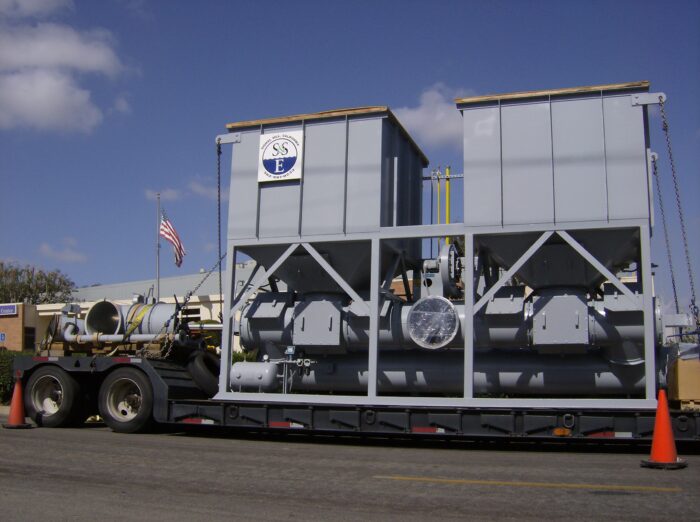
Ship & Shore’s engineering team evaluates the full emissions-control path, not only the RTO vessel. That can include collection-system design and fabrication, RTO sizing, ceramic media, high-cycle valves, controls, heat recovery, stack and ductwork requirements, maintenance access, and the sequence for installation and startup.
For a new or replacement oxidizer, the equipment-installation plan can be developed around production constraints. Preassembly, shipping configuration, international logistics, site access, tie-in planning, commissioning, and operator training are coordinated according to the project’s verified requirements. Spanish-language project conversations are available.
From RTO Design Through Startup in Bogotá
A successful Bogotá RTO project connects process analysis, emissions capture, equipment design, fabrication, export and delivery planning, installation, balancing, operator training, and lifecycle service. Ship & Shore can support the project from initial application review through commissioning, while the facility and its local professionals retain responsibility for site-specific permit strategy, agency submissions, and Colombian regulatory determinations.
After startup, preventive inspections, spare-parts planning, troubleshooting, controls support, and performance reviews help protect uptime and the equipment investment. Explore Ship & Shore’s RTO aftermarket services for both Ship & Shore systems and equipment manufactured by other suppliers. Factory-trained technicians are available by phone 24/7, with field service scheduled according to project needs and travel requirements.
Company-wide experience: Ship & Shore reports more than 25 years in clean-air systems, more than 1,000 custom systems installed worldwide, and 99%+ destruction removal efficiency on most RTO applications. Project-specific performance depends on the verified process basis and final design.
Related RTO Resources
Bogotá RTO Questions
What process data is needed to size a regenerative thermal oxidizer?
The engineering team needs the airflow range, exhaust temperature, VOC or COV constituents, normal and peak loading, operating schedule, required control efficiency, moisture, particulates, available utilities, and site constraints. Representative peak conditions are important because they can affect equipment size, safety controls, and energy use.
Can Ship & Shore help with an RTO project in Bogotá?
Yes. Ship & Shore can develop the process and equipment basis, design and manufacture the RTO, plan shipping and installation, and support commissioning. The facility and its Colombian environmental professionals should confirm local permit, reporting, test, and approval requirements with the responsible authorities.
How is international RTO installation and support coordinated?
The plan is developed around equipment size, shipping route, site access, local labor, utilities, shutdown windows, and commissioning needs. Phone troubleshooting, parts planning, controls work, inspections, and scheduled field service can support the system after startup.
Talk With an RTO Engineer
Share the process data you have now. Ship & Shore can identify the remaining inputs and outline the next engineering step.
Prefer a quick written answer? Open the live chat widget in the lower-right corner.