RTO Manufacturer New Jersey for Pollution Control
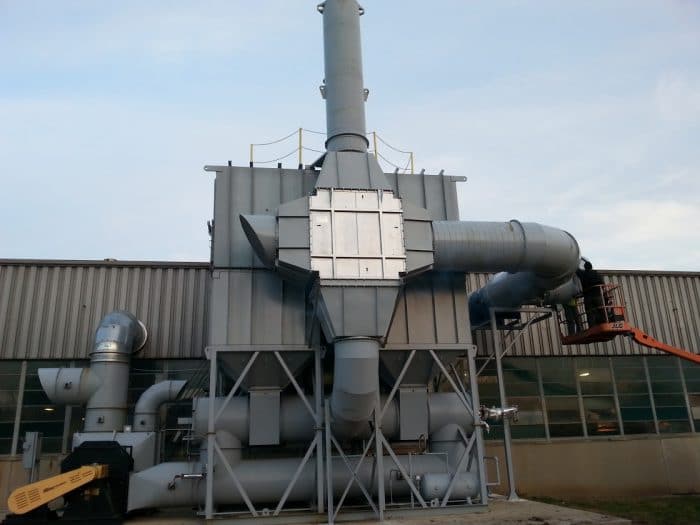
A Regenerative Thermal Oxidizer, or RTO, is the equipment used to treat industrial exhaust, thereby reducing air pollution. New Jersey, being one of the most polluted states in the US, has a need and demand for RTOs that is quite high.
An RTO Manufacturer New Jersey manufactures different kinds of Regenerative Thermal Oxidizers to suit the needs and budgets of various clients. As different clients have requirements of their own, an RTO Manufacturer New Jersey comes up with a customized RTO as per the individual client’s conditions and necessities.
Regenerative Thermal Oxidizers are designed in such a way so that they can minimize the pollution level without affecting the productivity of an industrial set-up. The Manufacturers of New Jersey provide services such as Designing, Installation, Servicing, Renovation, Sale of parts, and much more.
The advantages of an RTO manufactured in New Jersey are:
• High Rate of Heat Recovery
• High Rate of VOC destruction
• Multiple Burners
• Low Nitrogen Oxide Burners
• Very little or no Fuel Support
They serve different industries like Pharmaceutical, chemical, packaging industries, etc. Ship & Shore Environmental Inc. is a renowned name in RTO manufacturing.
Application-specific RTO planning
Planning an RTO Project in New Jersey
New Jersey RTO projects can require a tightly documented relationship among each source, capture device, duct branch, fan, oxidizer, stack, control logic, and monitoring point. A complete emissions and operating profile helps the engineering and permitting teams avoid late changes to equipment or permit assumptions.
NJDEP’s Bureau of Stationary Sources provides an air-permit applicability process and guidance for regulated equipment and source operations. The facility should confirm permitting, state-of-the-art control, risk-screening, RADIUS, and operating-certificate requirements that apply to the project. Review the official New Jersey Department of Environmental Protection resource and confirm final requirements with the responsible authority and the facility’s permitting professionals.
What to Bring to an RTO Evaluation
A productive first conversation starts with the operating facts that drive equipment size, fuel use, pressure drop, and compliance performance:
- Normal, minimum, and maximum process airflow in SCFM
- VOC and HAP constituents, concentrations, and peak loading
- Exhaust temperature, moisture, particulates, and corrosive compounds
- Production schedule, batch changes, and future expansion plans
- Permit limits, capture requirements, and performance-test conditions
- Available footprint, electrical service, fuel, and installation windows
One Coordinated Emissions-Control System
Ship & Shore evaluates the full emissions-control path, including collection-system design and fabrication, RTO sizing, ceramic media, high-cycle valves, controls, heat recovery, stack and ductwork requirements, and safe access for inspection and maintenance.
The equipment-installation plan can be developed around site access, production constraints, tie-in points, utilities, startup sequencing, and operator training. This keeps the oxidizer, ductwork, controls, and field work aligned to one verified design basis.
From RTO Design Through Startup in New Jersey
Ship & Shore can support application review, engineering, fabrication, installation coordination, commissioning, training, and lifecycle service for New Jersey facilities. Site access, freight, local labor, production windows, and the division of responsibilities are defined during project planning rather than left to the field.
After startup, preventive inspection, spare-parts planning, troubleshooting, controls work, and performance reviews help protect the investment. Explore Ship & Shore’s RTO aftermarket services for both Ship & Shore systems and equipment manufactured by other suppliers.
Company-wide experience: Ship & Shore reports more than 25 years in clean-air systems, more than 1,000 custom systems installed worldwide, and 99%+ destruction removal efficiency on most RTO applications. Project-specific performance depends on the verified process basis and final design.
New Jersey RTO Questions
What information is needed to size a regenerative thermal oxidizer?
The engineering team needs the airflow range, exhaust temperature, VOC and HAP constituents, normal and peak loading, operating schedule, required control efficiency, and expected future production. Moisture, particulates, corrosive compounds, available utilities, and footprint can materially affect the design.
How do local air requirements affect an RTO project in New Jersey?
Applicable rules can affect capture requirements, destruction efficiency, monitoring, recordkeeping, test conditions, and the project schedule. New Jersey Department of Environmental Protection is a useful official starting point, while the responsible agency and the facility’s permitting professionals determine the final requirements.
Can Ship & Shore support installation and service?
Yes. Ship & Shore can coordinate installation planning, commissioning, operator training, preventive inspection, troubleshooting, controls work, and replacement parts. The exact field scope, schedule, travel, and local responsibilities are confirmed for each project.
Talk With an RTO Engineer
Share the process data you have now. Ship & Shore can identify the remaining inputs and outline the next engineering step.
Prefer a quick written answer? Open the live chat widget in the lower-right corner.