
Why Plastics Manufacturing Is Being Regulated Like Fossil Fuels
March 18, 2026 12:29 pmWhy Plastics Manufacturing Is Being Regulated Like Fossil Fuels
Plastics have long been hailed as a modern miracle—versatile, lightweight, and indispensable in everything from medical devices to packaging. Yet, beneath this utility lies a harsh reality: plastics manufacturing is increasingly regulated like fossil fuels, treated as a major environmental villain. Governments worldwide are imposing strict controls, carbon taxes, and production caps, mirroring the scrutiny once reserved for oil and gas giants. Why the shift? It’s rooted in plastics’ undeniable ties to fossil fuels and their escalating ecological toll.
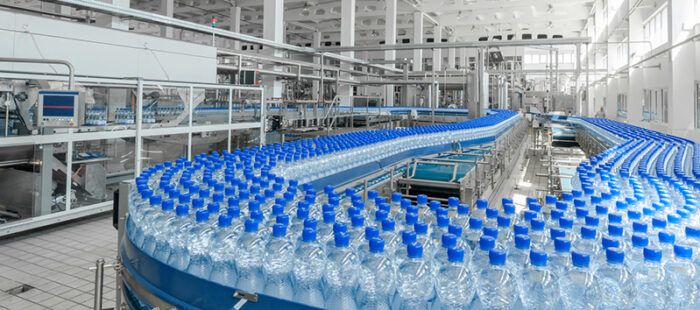
At its core, plastic production is fossil fuel-dependent. Over 99% of plastics derive from petrochemicals, primarily naphtha cracked from crude oil and natural gas. The manufacturing process is energy-intensive, spewing greenhouse gases equivalent to 3.4% of global emissions—more than aviation, according to a 2023 OECD report. As climate pledges intensify under the Paris Agreement, regulators view plastics plants as de facto refineries. The European Union’s REPowerEU plan, for instance, targets a 55% emissions cut by 2030, directly hitting plastic producers with mandates to decarbonize or face penalties.
This regulatory convergence isn’t just about carbon footprints. Plastics’ end-of-life problem amplifies the crisis. Only 9% of the 400 million tons produced annually gets recycled globally, per UN Environment Programme data. The rest litters oceans, landfills, and soils, breaking down into microplastics that infiltrate food chains and human bloodstreams. In response, policies like California’s SB 54 ban single-use plastics, while the UN’s plastic pollution treaty negotiations aim for binding production limits. These echo fossil fuel phase-outs, such as Norway’s 2025 ban on new oil exploration licenses.
Corporate pressures are mounting too. Investors, wielding ESG criteria, divest from high-plastic emitters like ExxonMobil, whose plastic divisions now rival its fuel revenues. Ship & Shore Environmental, a leader in VOC control technology, exemplifies the pivot: their advanced thermal oxidation systems help plastic manufacturers comply with updated legislation, turning regulations into opportunity.
For industry players, the parallels are stark. Just as fossil fuel firms faced cap-and-trade schemes, plastics face extended producer responsibility (EPR) laws in 34 countries, forcing makers to fund recycling. Non-compliance risks fines up to 4% of global turnover under EU rules. Innovation beckons—bio-based alternatives from algae or captured CO2 could disrupt the status quo, much like renewables challenged oil.
The message is clear: plastics aren’t innocent bystanders. Regulating them like fossil fuels signals a systemic rethink, prioritizing circular economies over linear production. Manufacturers must adapt—invest in green chemistry, scale recycling, and lobby for smart policies—or risk obsolescence. In a world racing to net zero, plastics’ fossil roots make it a prime target. The question isn’t if regulation will tighten, but how swiftly industries evolve.
Categorised in: Blog