#TechTalk: Boilers & VOC Control – Understanding Limits in Pollution Abatement
April 1, 2026 2:19 pm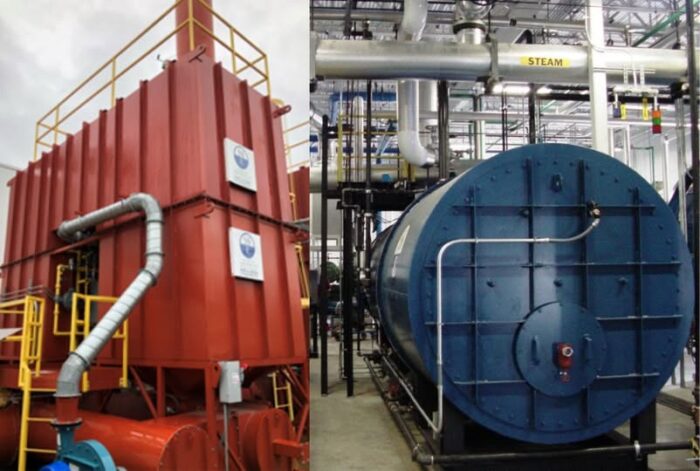
#TechTalk: Boilers & VOC Control – Understanding Limits in Pollution Abatement
April 1, 2026
The Role of Boilers in Industrial Operations
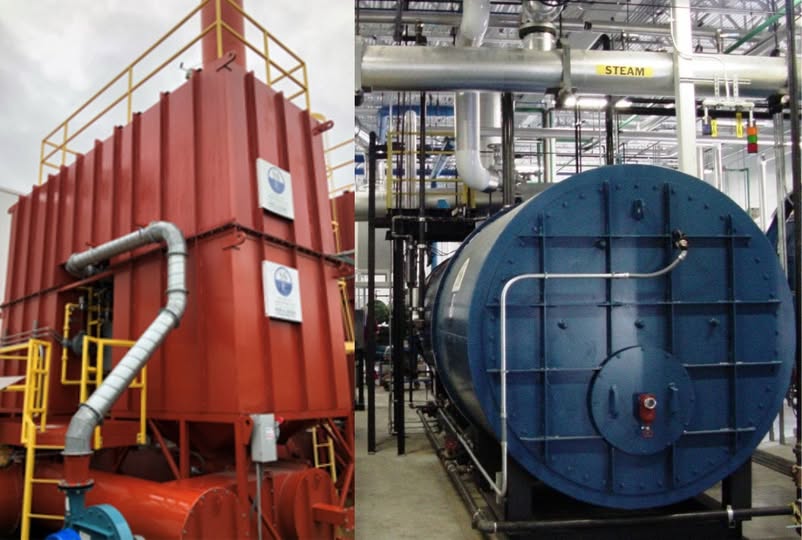
Boilers are a core component of industrial infrastructure, converting fuel into thermal energy to generate steam for production, sterilization, heating, and process applications. Across industries such as manufacturing, food processing, and institutional facilities, boilers are designed to deliver reliable steam output—not to function as air pollution control systems.
Boiler Configurations
Two primary boiler designs are widely used:
- Firetube Boilers: Hot combustion gases pass through tubes surrounded by water, providing a compact and reliable solution for moderate-pressure applications.
- Water tube Boilers: Water flows through externally heated tubes, enabling higher pressure operation, faster steam generation, and scalability for large systems.
Why Boilers Are Limited in VOC Abatement
While boilers can reach elevated temperatures, they are not engineered to maintain the controlled conditions required for consistent VOC destruction. Effective oxidation depends on stable temperature, sufficient residence time, and proper airflow management—factors that are not inherent to boiler operation.
Key Operational Limitations
- Airflow Capacity: VOC-laden air must be introduced through the burner’s combustion air system, which is limited by design capacity and restricts treatment volume.
- Residence Time: VOC destruction requires gases to remain at high temperatures for a defined duration. Boiler furnace volumes are often insufficient to provide consistent residence time.
- Thermal Variability: Boiler temperatures fluctuate with steam demand. During low-load conditions, temperatures may fall below effective oxidation thresholds.
- Process Dependency: Boiler operation is driven by production demand, not emissions control, making consistent compliance difficult to maintain.
Compliance Considerations
To function effectively for VOC control, a boiler would need to sustain high temperatures, provide adequate residence time, and handle full process airflow independent of steam demand—conditions that are rarely achievable in practice.
Engineering Perspective
Using boilers for VOC destruction can lead to higher fuel consumption, unstable performance, and increased compliance risk. Boilers are best utilized for steam generation, while emissions are managed by dedicated systems.
The Ship & Shore Approach
Ship & Shore Environmental integrates engineered solutions such as Regenerative Thermal Oxidizers (RTOs), Direct-Fired Thermal Oxidizers (DFTOs), and scrubbers alongside boilers. These systems provide controlled conditions necessary for reliable VOC destruction and long-term compliance.
📞 Contact us at +1 (562) 997-0233
📧 Email: service@shipandshore.com
Categorised in: #CleanAirSolutions, #MadeInAmerica, #VOC Control, Ship & Shore, Technical, TechTalk, ThermalOxidizer, VOC Abatement