
Recyclability Won’t Save Packaging If Manufacturing Emissions Are Ignored
March 18, 2026 1:45 pmRecyclability Won’t Save Packaging If Manufacturing Emissions Are Ignored
In the race to make packaging “greener,” recyclability has become the golden child. Brands trumpet “100% recyclable” labels, consumers sort their bins with renewed vigor, and governments roll out ambitious recycling targets. But here’s the inconvenient truth: focusing solely on end-of-life recyclability is like treating a fever while ignoring the infection. If we overlook the massive carbon emissions baked into manufacturing, we’re just polishing a problem, not solving it.
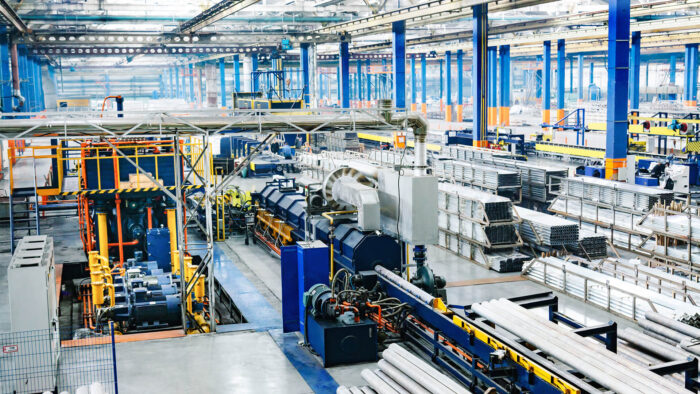
Consider the numbers. Packaging production accounts for about 40% of plastic use globally, and manufacturing it spews roughly 3.4 billion tons of CO2 equivalent annually—more than aviation and shipping combined, according to a 2023 Ellen MacArthur Foundation report. Virgin plastic, derived from fossil fuels, dominates this process. Extracting, refining, and extruding petrochemicals into films, bottles, and trays demands enormous energy, often from coal-fired plants in regions like Southeast Asia or the U.S. Gulf Coast. Even “recycled” content falls short: mechanical recycling uses up to 70% of the energy of virgin production, and chemical recycling—hailed as a silver bullet—still guzzles power for pyrolysis and purification.
Take single-use food packaging, a staple in Mumbai’s bustling markets or global supply chains. A PET bottle might recycle beautifully, but its cradle-to-gate footprint rivals flying it halfway around the world. Ship and Shore Environmental’s recent analysis of coastal packaging waste shows that 80% of ocean-bound plastics originate from high-emission manufacturing hubs. Recyclability ensures it might get a second life, but it doesn’t erase the upfront pollution. In India alone, packaging emissions contribute to 12% of industrial CO2, per a 2025 NITI Aayog study, exacerbating urban heat and air quality woes.
The irony? Many “sustainable” innovations backfire. Bio-based plastics from corn or sugarcane sound eco-friendly, yet their production often involves deforestation, fertilizer runoff, and methane-heavy farming—emissions that can exceed traditional plastics by 20-50%, as detailed in a 2024 IPCC assessment. Meanwhile, lightweighting designs reduce material but ramp up energy-intensive processing speeds.
So, what’s the fix? Shift the spotlight to low-emission manufacturing. Prioritize renewables in production: solar-powered extruders in Gujarat or wind-fueled plants in Europe are cutting footprints by 60%. Demand more post-consumer recycled (PCR) content—aim for 50%+ blends verified by ISCC Plus certification. Innovate with alternatives like mycelium-based molds or algae-derived films, which slash embodied carbon without sacrificing performance.
For companies like those in environmental tech, this means holistic lifecycle assessments (LCAs) over cherry-picked recyclability claims. Regulators should mandate Scope 3 emissions reporting for packaging, much like the EU’s Packaging and Packaging Waste Directive. Consumers? Vote with wallets for transparent labels showing full carbon math, not just recycling icons.
Categorised in: Blog