
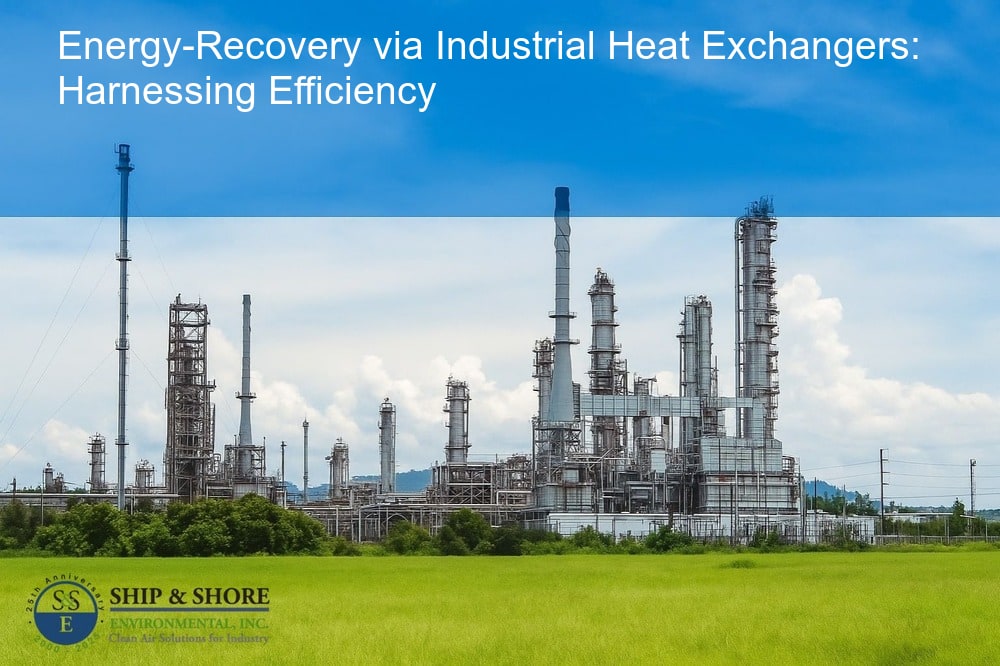
Energy-Recovery via Industrial Heat Exchangers: The Future Path
January 7, 2026 6:36 amUnderstanding Energy-Recovery: An Overview
In today’s rapidly evolving industrial landscape, sustainability and efficiency are at the forefront of innovations. One key technology that exemplifies this trend is energy-recovery via industrial heat exchangers. This powerful method significantly contributes to reducing waste and optimizing energy use within industrial operations. By capturing and reusing heat that would otherwise be lost, we are making strides towards a more sustainable future.
The Value of Industrial Heat Exchangers in Energy Recovery
Energy is a precious commodity, especially in industrial settings where daily operations can consume immense amounts of power. Industrial heat exchangers offer a solution by transferring heat from one medium to another, effectively recycling energy within the system. This technology not only reduces operational costs but also minimizes the environmental footprint of our industrial activities. The capacity to harness unused thermal energy and redirect it to other processes is what makes these devices so invaluable.
Pioneering Change: The Role of Energy-Recovery via Industrial Heat Exchangers
As we seek to address pressing energy challenges, the role of energy-recovery via industrial heat exchangers becomes increasingly pivotal. These devices allow industries to optimize their energy consumption patterns and move towards more sustainable practices. By implementing advanced heat exchanger systems, we can support the global mission to conserve resources and reduce greenhouse gas emissions. The integration of these systems into our industrial processes signifies a transformative step towards achieving long-term environmental and economic benefits.
Utilizing Industrial Heat Exchangers for Energy-Recovery: How It Works
Energy-recovery via industrial heat exchangers is a transformative process. Essentially, heat exchangers function by transferring heat from one fluid to another without mixing them. In industrial settings, waste heat generated from processes like combustion or chemical reactions can be substantial. Rather than allowing this heat to dissipate, heat exchangers capture and repurpose it for other applications. This not only conserves energy but also optimizes overall system efficiency.
When an industrial facility integrates heat exchangers, the waste heat from one process can preheat substances required in another process. For example, exhaust gases from a furnace can preheat incoming combustion air. Consequently, significantly less energy is needed to reach the desired temperature, reducing fuel consumption and operational costs. This closed-loop system ensures a continuous cycle of energy utilization and conservation, making facilities more sustainable.
Key Benefits of Energy-Recovery via Industrial Heat Exchangers
Seasoned manufacturers understand the importance of energy conservation and cost savings. Energy-recovery via industrial heat exchangers offers a multitude of benefits that make them an attractive option for many industries. Here, we outline some of the notable advantages:
- Cost Savings: By reusing waste heat, facilities can reduce energy consumption, leading to substantial savings on utility bills.
- Improved Efficiency: Heat exchangers make processes more efficient by using available energy more effectively, decreasing the need for external energy sources.
- Environmental Benefits: Recovering and reusing energy helps lower carbon emissions and the facility’s overall environmental impact.
- Enhanced Process Control: By stabilizing temperature variations, heat exchangers contribute to more consistent product quality.
- Regulatory Compliance: Many regions have stringent regulations regarding energy use and emissions; heat exchangers help businesses meet these standards.
Real-world Applications: Successful Case Studies of Energy-Recovery Using Industrial Heat Exchangers
The real-world implementation of energy-recovery via industrial heat exchangers offers compelling evidence of their efficacy. One notable case involves a large chemical manufacturing plant. This facility installed a series of high-efficiency heat exchangers to capture and reuse waste heat from their exothermic reactions. As a result, they managed to cut their natural gas consumption by 30%, translating into annual savings of millions of dollars. Additionally, their carbon emissions were reduced by 25%, significantly improving their environmental footprint.
Another example can be found in the food processing industry. A major food production company utilized plate heat exchangers to reclaim heat from pasteurization processes. The recovered heat was then used to preheat water for cleaning and other operations, enhancing the plant’s overall energy efficiency. The swift payback period and long-term savings validated their initial investment.
Success stories like these demonstrate the tangible advantages of implementing industrial heat exchangers. By adopting energy-recovery strategies, our clients can achieve substantial operational improvements and contribute positively to the environment.
Did you know? Industrial heat exchangers can recover waste heat from processes, potentially reducing energy costs by up to 50% and significantly lowering carbon emissions.
Navigating Future Energy Challenges with Industrial Heat Exchangers
As we move forward in an era where energy efficiency and sustainability are more critical than ever, industrial heat exchangers stand out as a core component in mitigating energy challenges. The application of energy-recovery via industrial heat exchangers promises not only substantial cost savings but also a reduction in environmental impact. By reclaiming waste heat and reusing it within industrial processes, we are better equipped to manage resources and reduce our carbon footprint.
Making the Switch: Why Industries Should Invest in Energy-Recovery via Industrial Heat Exchangers
Investment in energy-recovery via industrial heat exchangers is more than just a beneficial option – it’s becoming an industry standard. The key advantages go beyond financial savings. Industries can achieve compliance with increasingly stringent environmental regulations, improve operational efficiencies, and extend the lifespan of their equipment through better thermal management. Additionally, the reduction in energy consumption directly translates to lower greenhouse gas emissions, contributing to a healthier planet. Examining case studies from various industrial sectors has consistently highlighted the tangible benefits and successful implementation of these advanced technologies.
Final Thoughts: The Path Towards Sustainable Industrial Energy-Efficiency
In conclusion, embracing the transformative potential of energy-recovery via industrial heat exchangers could spearhead a new wave of sustainable industrial practices. The journey towards energy efficiency and conservation is a collective one, and advancements in heat exchanger technology provide us with the tools necessary to make impactful changes. By prioritizing these methods, we can ensure our industries are not only profitable but also environmentally responsible. The path ahead is clear: It’s time to harness the full potential of industrial heat exchangers for a more sustainable and energy-efficient future.
FAQ
What is the principle behind energy recovery using industrial heat exchangers?
Industrial heat exchangers recover energy by capturing waste heat from industrial processes and transferring it to another part of the process where it can be used effectively. This process turns previously lost energy into valuable thermal energy, improving overall efficiency and reducing operating costs. Fundamentally, it’s about reusing heat rather than letting it dissipate unused, which also leads to a smaller environmental footprint.
How can our industry benefit from investing in industrial heat exchangers?
Investing in industrial heat exchangers for energy recovery offers several benefits, including significant cost savings on energy bills, improved operational efficiency, longer equipment lifespan, and reduced greenhouse gas emissions. Furthermore, this approach can assist in meeting regulatory requirements focused on energy conservation and emission controls. Adopting heat exchangers is an effective strategy to future-proof your company against rising energy costs and tighter environmental regulations.
Can you provide examples of industries successfully using heat exchangers for energy recovery?
Indeed, multiple case studies across industries like manufacturing, chemical processing, and power generation demonstrate the success of heat exchangers in energy recovery. For instance, a chemical plant implemented heat exchangers to recycle excess heat from its reactors, reducing its energy consumption dramatically. Another example is a manufacturing facility employing heat exchangers to reclaim heat from exhaust gases, significantly lowering their operational costs.
Why is energy recovery increasingly important in modern industrial operations?
Energy recovery has become pivotal in contemporary industrial operations due to escalating energy costs, heightened environmental concerns, and stringent legal requirements. Utilizing energy-recovery methods, such as the deployment of industrial heat exchangers, results in optimized resource utilization, minimized waste, and reinforces our commitment to sustainable practices. Therefore, it is both a financial imperative and a responsibility towards our environment to integrate such technologies into our operational framework.
How does the implementation of industrial heat exchangers align with sustainability goals?
Implementing industrial heat exchangers is intrinsically aligned with sustainability goals as it entails the reduction of energy consumption and minimizes carbon emissions. By maximizing the use of waste heat, companies not only exhibit financial prudence but also demonstrate environmental stewardship. Consequently, it is a powerful step towards achieving a greener industrial process and shaping a more sustainable future for our industries and our planet.
Categorised in: Blog