October 23, 2026
Why VOC Control Matters in Body-Shop Ductwork Every automotive body shop faces a critical challenge: effectively managing and capturing volatile organic compounds (VOCs) generated during painting and finishing processes. As leading experts, we know that implementing the best VOC capture in body-shop ductwork is not just about regulatory compliance—it is about protecting our people, our… View Article
October 22, 2026
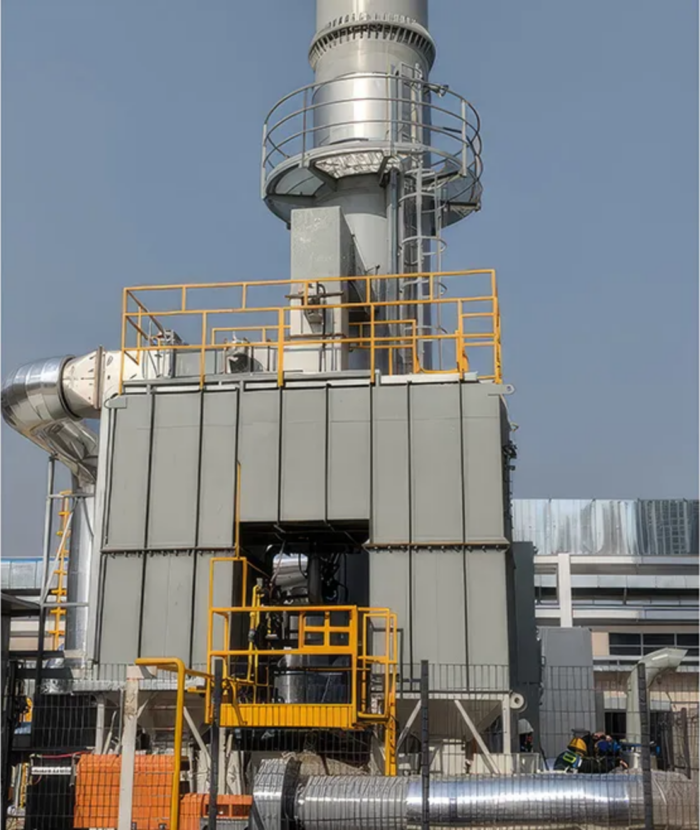
CEO Anoosheh Oskouian explains how coatings manufacturers can plan VOC control systems beyond today’s permit requirements to support compliance, efficiency, and future growth.

October 21, 2026
A flexographic packaging expansion combined VOC collection, variable airflow, and RTO heat recovery. The project qualified for more than $350,000 in utility incentives.
October 21, 2026
Why Abatement Design Matters in Auto-Paint Booths Effective emission control is essential in today’s automotive manufacturing environment. Designing abatement for auto-paint booths plays a critical role in ensuring these industrial processes are efficient, safe, and compliant with regulations. At Ship & Shore Environmental, we understand the growing demands on auto body shops and manufacturing facilities…. View Article
October 20, 2026
CEO Anoosheh Oskouian discusses how December solar tariffs may increase costs, accelerate industry consolidation, and create opportunities for domestic manufacturers.

October 19, 2026
CEO Anoosheh Oskouian explains why environmental enforcement is intensifying through better data, monitoring, and analysis — even without new laws.
October 19, 2026
Mastering Pharma-VOC System Maintenance Protocols: The Key to Regulatory Compliance and Operational Excellence At Ship & Shore Environmental, we understand that pharma-VOC system maintenance protocols are more critical in 2026 than ever before. As the pharmaceutical sector continues to expand and regulatory landscapes grow stricter, consistent and thorough maintenance has become essential. Proper care for… View Article
October 16, 2026
Explosion-Proof Abatement in Pharma Plants: Addressing Unique Challenges Explosion-proof abatement in pharma plants is more than just a regulatory requirement; it’s a mission-critical aspect of safe and sustainable pharmaceutical manufacturing. With the ever-rising complexity of production processes and the utilization of volatile organic compounds (VOCs), the stakes for ensuring a safe, compliant, and environmentally responsible… View Article
October 14, 2026
A U.S. flexographic printing facility needed better VOC capture, balanced airflow, reliable RTO performance, and a scalable design for future production growth.
October 14, 2026
A Deep Dive into FDA & EPA Rules for Pharma Emissions Environmental impacts from pharmaceutical manufacturing are under increasing scrutiny. Strict FDA & EPA rules for pharma emissions shape how we, as industry leaders, manage and reduce pollutants. At Ship & Shore Environmental, we understand why compliance matters – not only for the planet but… View Article
October 12, 2026
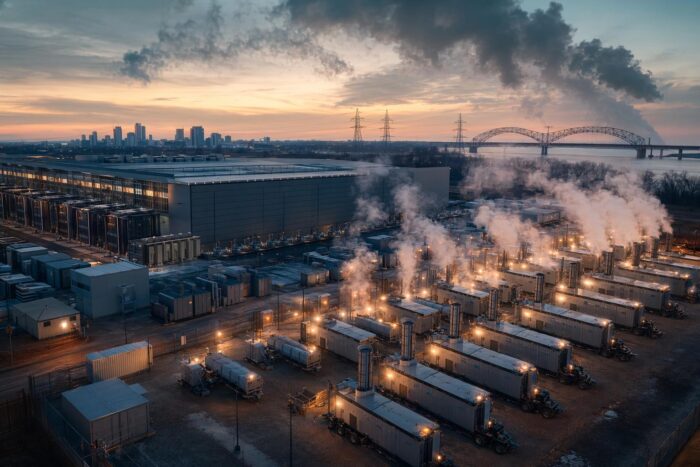
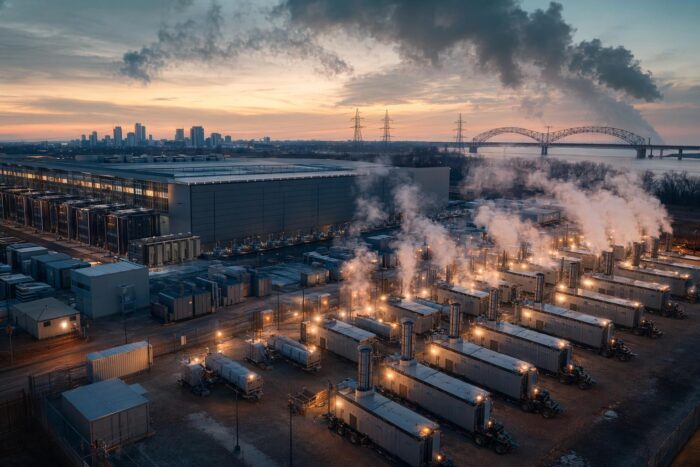
As AI drives rapid data center growth, Ship & Shore Environmental explains how proven emissions-control technologies can reduce pollution from backup power systems while supporting reliable, responsible infrastructure.

October 12, 2026
Achieving Optimal Air Quality: RTO Design for Sterile Pharma Areas Sterile pharmaceutical manufacturing environments place the highest priority on air cleanliness and safety. As leaders in environmental engineering, we at Ship & Shore Environmental understand the critical necessity of robust air handling and volatile organic compounds (VOC) abatement technologies. One of the most effective solutions… View Article
October 9, 2026
Air Filtration Fundamentals in Pharmaceutical Environments In pharmaceutical manufacturing, cleanroom integrity is the foundation of quality assurance and regulatory compliance. Selecting HEPA vs carbon filters in pharma is a crucial decision that impacts not only the efficiency of particle removal but also the ability to control hazardous fumes, odors, and volatile organic compounds (VOCs). At… View Article
October 7, 2026
#TechTalk: Is Your VOC Control System Designed Around Your Process? Great packaging is designed to grab attention. Vibrant colors, high-gloss finishes, laminations, coatings, and specialty effects help products stand out on crowded shelves. Behind that finished package, however, is a manufacturing process that can generate volatile organic compound (VOC) and, depending on the materials used,... View Article
October 7, 2026
Understanding Pharma Clean-Air Solution Designs: Safeguarding Health and Compliance Creating advanced pharma clean-air solution designs has never been more important. At Ship & Shore Environmental, we know that air purity in pharmaceutical manufacturing environments is the foundation for patient safety, regulatory compliance, and innovation. By focusing on tailored clean-air solutions, we help our partners eliminate… View Article
October 5, 2026
Understanding Energy-Optimization in Coffee RTO Systems As leaders in the environmental solutions space, we at Ship & Shore Environmental recognize the unique energy challenges facing the coffee roasting sector. Energy-optimization in coffee RTO systems is rapidly becoming a core focus for operators seeking both sustainability and cost savings. This comprehensive approach minimizes the energy demands… View Article

October 2, 2026
CEO Anoosheh Oskouian at the OCBJ Women in Business Awards Anoosheh Oskouian at the Orange County Business Journal Women in Business Awards. Nominees were featured on display boards at the venue, alongside the event’s sponsors. The Orange County Business Journal’s 32nd Annual Women in Business Awards brought together nominees and sponsors from across the county’s... View Article
October 2, 2026
Understanding Compliance for Coffee-VOC Abatement in Modern Roasting Facilities At Ship & Shore Environmental, we know how vital compliance for coffee-VOC abatement is to the success and reputation of coffee roasting operations. As environmental expectations evolve and the coffee industry grows, meeting emissions requirements has become a cornerstone of responsible roasting. It is no longer… View Article
October 1, 2026
CEO Anoosheh Oskouian’s Thought Leadership entitled “Environmental Controls Can Reduce Operating Costs, Not Just Emissions” featured in Chemical Engineering Magazine Media Inquiries, please contact: Beatriz.arana@energiacommunications.com Read the full article PDF from Chemical Engineering Magazine Ship & Shore Environmental President and CEO Anoosheh Oskouian shares new thought leadership in Chemical Engineering Magazine with the article, “Environmental... View Article
September 30, 2026
#TechTalk: Every Spin Leaves a Signature in the Air Dip spin coating is widely used to apply corrosion-resistant and protective finishes to fasteners and metal components. While the process appears simple, solvent-based coatings can generate volatile organic compound (VOC) emissions that may require air pollution controls to meet environmental regulations. A typical dip spin operation... View Article

September 30, 2026
The Importance of Coffee Plant Hygiene in Modern Processing Coffee production is a delicate dance of art and science. Behind the rich aroma and complex flavor profiles lies an uncompromising expectation for safety and product quality. Today, at Ship & Shore Environmental, we know that sound duct-cleaning protocols in coffee plants have become pivotal to… View Article

September 28, 2026
Understanding Coffee Roasting Emissions – Why Heat-recovery Matters The coffee roasting industry is full of rich traditions and innovative technology. Yet, nothing has generated more discussion in recent years than the growing focus on sustainable roasting processes. One solution at the center of this movement is heat-recovery from coffee emissions. As we celebrate progress in… View Article
September 25, 2026
Why Right-Sized RTOs Are Essential for Coffee-Roasting Operations Sizing RTOs for coffee-roasting lines is more crucial than ever as regulatory demands for air pollution control increase across the food and beverage industry. Coffee roasting produces a significant amount of volatile organic compounds (VOCs), odorous emissions, and particulates that must be effectively managed. As a leading… View Article
Coat It Podcast Interview with CEO Anoosheh Oskouian – When VOC Control Systems Start Falling Behind
September 24, 2026
Coat It Podcast Interview with CEO Anoosheh Oskouian - When VOC Control Systems Start Falling Behind Ship & Shore Environmental President and CEO Anoosheh Oskouian joins PCI Magazine's Coat It Podcast for the episode When VOC Control Systems Start Falling Behind. Listen to the full conversation below. Your browser does not support the audio element.... View Article
September 23, 2026
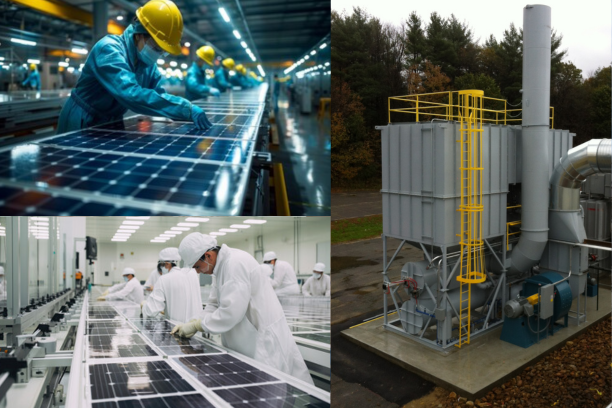
#TechTalk: From Sunlight to Second Life: Engineering a Cleaner Solar Future Solar power is a source of energy, but producing and recycling photovoltaic (PV) modules can create complex air emissions challenges. As U.S. solar manufacturing expands and more modules reach end of life, emissions management is essential to a sustainable lifecycle. Air Emissions in PV... View Article
September 23, 2026
Understanding VOCs in Coffee Roasting At Ship & Shore Environmental, we know how much pride goes into the art and science of coffee roasting. Yet, with the rise in global demand and an increased focus on environmental responsibility, navigating emissions from roasting processes has never been more crucial. A cornerstone of responsible production today is… View Article
September 21, 2026
Understanding SVE Compliance Under Cleanup Permits Soil Vapor Extraction (SVE) systems have become a preferred technology for volatile organic compound (VOC) abatement and subsurface remediation. Achieving SVE compliance under cleanup permits is not only a regulatory requirement, but also a cornerstone of effective soil and groundwater cleanups. At Ship & Shore Environmental, we recognize that… View Article
September 18, 2026
Understanding SVE and Its Critical Role in Environmental Solutions At Ship & Shore Environmental, we have spent years designing, installing, and maintaining Soil Vapor Extraction (SVE) systems. Many industries rely on these essential solutions to remediate contaminated soil and groundwater. But what exactly is SVE, and why is it so important? This article explores the… View Article

September 16, 2026
As seen in Manufacturing News - September 2026 In-House Manufacturing Strengthens Custom Production For manufacturers producing engineered-to-order equipment, customization can make standardization and production efficiency difficult. This industry feature explores how Ship & Shore Environmental keeps engineering, fabrication, pre-assembly, controls integration, and testing closely connected under one roof. In this article, our CEO Anoosheh Oskouian... View Article
September 16, 2026
#TechTalk - The Next Generation of Pentane Control Pentane is an essential blowing agent in Expanded Polystyrene (EPS) production, but emissions can occur throughout manufacturing, handling, and storage. Effective control begins with identifying emission sources and designing the collection system around actual process conditions. With decades of experience serving the EPS industry, Ship & Shore... View Article
September 16, 2026
Woman-owned Ship & Shore Environmental celebrates 25 years of helping manufacturers exceed environmental regulations.
September 16, 2026
Gaining Clarity: The Essentials of Emissions Monitoring in SVE Applications Soil vapor extraction (SVE) systems have become a cornerstone in the remediation of contaminated sites, helping to remove volatile organic compounds (VOCs) and other hazardous substances from soil and groundwater. However, to ensure these systems are both safe and effective, emissions monitoring in SVE applications… View Article
September 14, 2026
VOC Emissions in Industry: The Compliance Clock Is Ticking and the Opportunity Is Real Media Inquiries, please contact: Beatriz.arana@energiacommunications.com Read the full article on Environmental Expert Ship & Shore Environmental is featured in Environmental Expert with the article, “VOC Emissions in Industry: The Compliance Clock Is Ticking and the Opportunity Is Real.” The article discusses... View Article
September 14, 2026
Understanding SVE-Oxidizer Sizing and Design Rules: The Cornerstone of Safe Remediation Today, environmental responsibility is a critical aspect of any modern remediation project. At Ship & Shore Environmental, we recognize that the right SVE-oxidizer sizing and design rules make the difference between a remediation system that functions efficiently and one that falls short, risking compliance… View Article
September 9, 2026
Unlocking the Power of SVE-RTO Integration for Site Cleanup In our fast-evolving environmental landscape, industrial and commercial sites face intensifying pressure to address soil and vapor contamination. As Ship & Shore Environmental, we recognize that successful site remediation requires the most advanced, efficient, and reliable solutions available. One breakthrough approach that is transforming the field… View Article
September 7, 2026
The Critical Importance of Health & Safety in PFAS Remediation Work At Ship & Shore Environmental, we have made it our mission to lead in the field of Health & safety in PFAS remediation work. In recent years, growing awareness of PFAS (Per- and Polyfluoroalkyl Substances) contamination has heightened the need for effective cleanup—and above… View Article
August 31, 2026
Understanding PFAS and Their Environmental Impact At Ship & Shore Environmental, we are committed to advancing innovative water treatment solutions for communities and industries. One subject at the forefront of environmental concern is PFAS, a class of human-made chemicals known for their persistence and widespread presence in water systems. As we explore the cost-comparison of… View Article
August 28, 2026
Navigating Compliance Reporting for PFAS Removal: A Modern Imperative As a leader in the environmental solutions sector, we at Ship & Shore Environmental recognize the rising complexity of compliance reporting for PFAS removal. With evolving environmental regulations and growing public scrutiny, organizations managing per- and polyfluoroalkyl substances (PFAS) must adopt streamlined, accurate, and transparent reporting… View Article
August 26, 2026
Understanding PFAS Contamination Risks At Ship & Shore Environmental, we know how vital a comprehensive key PFAS remediation methods overview is for protecting communities from environmental threats. Per- and polyfluoroalkyl substances (PFAS) are persistent synthetic chemicals found in numerous industrial and consumer products. Unfortunately, their exceptional resistance to breakdown-paired with their potential to accumulate in… View Article
August 24, 2026
PFAS Contamination: The Need for Effective Water-Treatment Process Design Across the United States and globally, communities and industries are increasingly aware of the challenges posed by per- and polyfluoroalkyl substances (PFAS) in water supplies. Designing PFAS water-treatment processes is now critical in safeguarding public health and the environment. At Ship & Shore Environmental, we recognize… View Article
August 21, 2026
Understanding PFAS in Industrial Wastewater At Ship & Shore Environmental, we are dedicated to helping industries overcome the challenges posed by per- and polyfluoroalkyl substances, or PFAS, in wastewater. Understanding the PFAS treatment basics for industrial wastewater is crucial as we work together to shape a cleaner, safer future. PFAS, often dubbed “forever chemicals” due… View Article
August 19, 2026
Understanding the Importance of Air-System Maintenance Needs In today’s highly regulated industrial landscape, air-system reliability and compliance are more critical than ever. As we at Ship & Shore Environmental advance into the future, our commitment to providing robust lifetime support-options for air-systems helps our clients stay ahead in efficiency, safety, and sustainability. Understanding the unique… View Article

August 17, 2026
Navigating the Complex World of Abatement Units and Their Upgrade Challenges At Ship & Shore Environmental, we know how critical it is to ensure that our air pollution control equipment remains reliable, efficient, and compliant. In 2026, evolving regulations, changing process demands, and heightened sustainability targets make upgrade-path planning for abatement units more vital than… View Article
August 14, 2026
Understanding System Failure Risks in Modern Operations Today’s industrial environments rely heavily on systems integration, digital controls, and data monitoring. The risks posed by unexpected system failures can have overarching impacts, halting operations and potentially endangering compliance, safety, and production goals. At Ship & Shore Environmental, we see the critical importance of emergency-response planning for… View Article
August 12, 2026
Understanding Technician Training Program Outlines: The Foundation for Technical Excellence At Ship & Shore Environmental, we know that thriving in the highly technical world of environmental engineering demands a workforce that is both skilled and adaptable. Technician training program outlines are the blueprints that guide our approach to developing the next generation of technical experts…. View Article
August 12, 2026
Ship & Shore Environmental developed a fuel free, multistage oil removal system achieving 95–98% contaminant removal efficiency through cooling, condensation, gravity separation, and mechanical filtration.

August 10, 2026
From Authority Magazine: “Is the American Dream still alive? If you speak to many of the immigrants we spoke to, who came to this country with nothing but grit, resilience, and a dream, they will tell you that it certainly is still alive. As a part of our series about immigrant success stories, I had the pleasure of interviewing Anoosheh Oskouian.”
August 10, 2026
Why Service-Level Agreements Matter in Business Relationships In today’s competitive industrial environment, every successful partnership begins with well-defined expectations and mutual trust. For us at Ship & Shore Environmental, drafting robust service-level agreements is the foundation for creating reliable, long-lasting client relationships. These detailed contracts ensure that the services we provide match our customers’ needs… View Article
August 7, 2026
Understanding Oxidizer Field-Service Essentials At Ship & Shore Environmental, we understand that field-service best practices for oxidizers are the foundation of reliable air pollution control. Oxidizers are essential for treating volatile organic compounds (VOCs) and ensuring regulatory compliance. However, their peak performance relies on scheduled maintenance, proactive inspections, and a solid understanding of how each… View Article
August 5, 2026
A renewable energy facility in California sought to convert biomass waste into clean electricity while creating additional value from process byproducts. Working alongside specialized engineering partners, Ship & Shore Environmental developed an integrated thermal processing system capable of producing 3 MW of renewable power while generating high-quality biochar for industrial applications.
August 5, 2026
The Importance of Spare Parts Inventory Management in Today’s Industrial Operations In 2026, effective spare parts inventory management is more than just an operational necessity for Ship & Shore Environmental-it’s a fundamental driver of reliability, compliance, and customer satisfaction. Planning spare-parts inventory effectively ensures we minimize costly downtimes, streamline our maintenance activities, and uphold our… View Article

August 4, 2026
In this article by Anoosheh Oskouian, CEO, Ship & Shore Environmental, she discusses that sustainability has become one of the defining priorities for the global packaging industry. Companies across manufacturing, consumer goods, and logistics are investing heavily in environmental initiatives, publishing ESG reports, and setting ambitious carbon and waste reduction targets.
August 3, 2026
Why Service Agreements Matter in the Aftermarket In 2026, aftermarket service-agreement essentials are more critical than ever for businesses seeking operational efficiency, regulatory compliance, and maximum asset uptime. At Ship & Shore Environmental, we understand that a robust aftermarket service agreement is the cornerstone of successful long-term equipment management. Service agreements in the aftermarket space… View Article
July 31, 2026
Comprehensive Guide to Post-install Testing and Acceptance Steps At Ship & Shore Environmental, we recognize that successful project completion is not just about quality equipment installation; it’s about rigorous checks and validation afterward. Post-install testing and acceptance steps are a crucial series of actions that ensure every system is operating safely, efficiently, and according to… View Article

July 30, 2026
In this exclusive rapid interview, Anoosheh Oskouian, CEO of Ship & Shore Environmental, discusses how rising regulatory pressure, customer expectations and energy costs are reshaping the way packaging manufacturers approach VOC emissions management.
July 29, 2026
Understanding Plant Shutdown Windows and the Importance of Scheduling Every industrial operation faces moments when regular activities must pause-these are plant-shutdown windows. Scheduling around plant-shutdown windows is not simply a matter of halting production; it is a complex process demanding strategic planning, resource allocation, and seamless team coordination. At Ship & Shore Environmental, we know… View Article
July 27, 2026
Building a Culture of Safety: Why Installation-phase Safety Best Practices Matter At Ship & Shore Environmental, we understand that each project’s success hinges on safe, smart processes from start to finish. Practicing installation-phase safety best practices is not just a regulatory obligation-it is also an investment in our people, clients, and outcomes. During installation, worksites… View Article
July 24, 2026
Demystifying System Startup and Qualification: The Backbone of Reliable Operations At Ship & Shore Environmental, we understand how Commissioning and validation test procedures form the core of every high-performance industrial system. These procedures deliver certainty during system startup and qualification – two phases that determine equipment safety, operational efficiency, and regulatory compliance. In 2026’s tightly… View Article
July 22, 2026
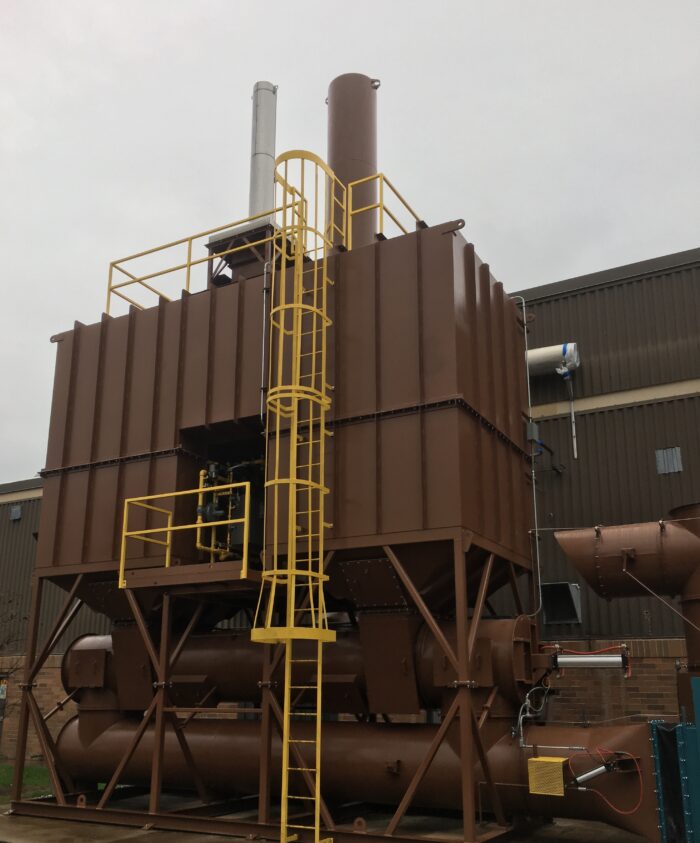
From EPR mandates to PFAS bans to VOC emissions on the production floor, the packaging industry faces a compliance landscape that is more demanding — and more consequential — than ever before. By Anoosheh Oskouian, President & CEO, Ship & Shore Environmental, Inc.
July 22, 2026
Understanding Control System Wiring Basics At Ship & Shore Environmental, we recognize the foundational role that proper wiring plays in the reliability and safety of every automated process. In fact, understanding the electrical-wiring standards for control systems is critical for building efficient, compliant, and long-lasting control panels. Control panel wiring might appear straightforward, but in… View Article
July 20, 2026
Understanding Rigging and Lifting Heavy Pollution Equipment Rigging and lifting heavy pollution equipment is a mission-critical activity in today’s industrial settings, especially as environmental regulations become more stringent and pollution control systems increase in complexity. At Ship & Shore Environmental, we understand that the safe movement and installation of large-scale pollution abatement systems-such as regenerative… View Article
July 17, 2026
Your Comprehensive Skid-Mount System Installation Guide for Modern Facilities At Ship & Shore Environmental, we know the value of reliable, efficient installations for critical industrial processes. The right skid-mount system installation guide makes all the difference when setting up air pollution control equipment or other modular process systems. Skid-mounted solutions have become a mainstay across… View Article
July 15, 2026
A natural gas processing facility in Aceh, Indonesia, initiated a production expansion to increase gas output to 60 MMSCFD.
July 15, 2026
Understanding the Need for Oxidizers and Installation Prep Checklists Industrial air pollution control has become a non-negotiable priority for businesses facing tightening regulatory standards. Today, companies cannot risk non-compliance. At Ship & Shore Environmental, we understand how essential it is to install oxidizers correctly the first time-whether you are deploying a regenerative thermal oxidizer, catalytic… View Article

July 14, 2026
On July 7, the EPA held a public hearing on two proposals that would reshape federal drinking water standards for PFAS, the class of chemicals commonly known as forever chemicals. At the hearing, Environmental Protection Network Policy Director Michelle Montoya testified that the proposed rollback disregards established science on cumulative PFAS exposure — one of several voices arguing the process is moving faster than the underlying risk assessment.
July 13, 2026
Understanding Stand-Alone Systems and Why Retrofit Solutions Matter Navigating today’s industrial ecosystem, we encounter countless organizations relying on standalone process equipment-systems not integrated with broader, modern automation or environmental controls. As technology advances rapidly in 2026, these stand-alone setups can easily fall behind. That’s where retrofit options for stand-alone systems become crucial. By upgrading existing… View Article
July 10, 2026
Prioritizing Safety Protocols in Custom-Shop Assembly: Why It Matters for Your Operation At Ship & Shore Environmental, our commitment to excellence includes an unwavering focus on safety protocols in custom-shop assembly. As industry leaders in fabrication and assembly, we know that every operation, large or small, requires a proven approach to risk management. Safety is… View Article
July 8, 2026
Ship & Shore Environmental delivered a customized VOC control solution that combines pretreatment, regenerative thermal oxidation, activated carbon backup, and integrated safety controls into a single, dependable system.
July 8, 2026
Understanding Startup Checks in Fabrication Installation Startup checks in fabrication installation play a crucial role in every successful industrial project. At Ship & Shore Environmental, we know that bringing new equipment or systems online is never as simple as flipping a switch. Each project we complete-whether it’s advanced air pollution control, custom ductwork, or major… View Article
July 7, 2026
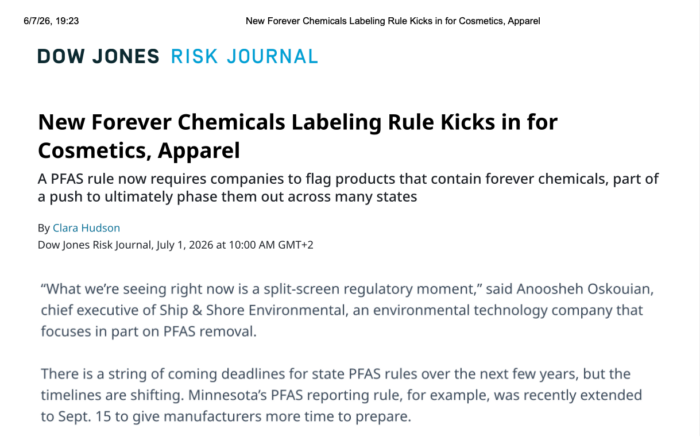
Our CEO Anoosheh Oskouian’s Interview with Dow Jones Risk Journal on PFAS was featured in this article “New Forever Chemicals Labeling Rule Kicks in for Cosmetics, Apparel.”
July 6, 2026
Understanding Cost-Estimate Methods for Custom Equipment In today’s evolving industrial landscape, organizations like ours at Ship & Shore Environmental are driven by the unique needs of our clients. The manufacture and integration of custom machinery has become essential across numerous industries, from manufacturing and chemical processing to air pollution control. As demand grows for tailored… View Article
July 3, 2026
Your Complete Guide to Field-assembly Tips for Large Control Units At Ship & Shore Environmental, we understand that field-assembly tips for large control units are crucial to successful project outcomes. With more facilities facing unique site constraints and evolving regulatory requirements in 2026, the ability to assemble robust environmental control equipment in the field has… View Article
July 1, 2026
The Importance of Quality-control Protocols for Field Fabrication Field fabrication plays a pivotal role in modern industrial projects, bridging the gap between design and operational reality. At Ship & Shore Environmental, we recognize that establishing robust quality-control protocols for field fabrication is essential for delivering safe, reliable, and compliant solutions to our clients. Whether we… View Article

June 29, 2026
In this interview, Design World managing editor Mike Santora speaks with Ship & Shore Environmental President and CEO Anoosheh Oskouian about the challenges industrial operations face as environmental expectations continue to evolve.

June 29, 2026
Understanding Key Materials in Custom Fabrication At Ship & Shore Environmental, we know firsthand that material selection in custom fabrication shops is the foundation of project success. When we build tailored solutions for our clients, every weld, bend, or finish is influenced by material choice. Whether we’re engineering advanced collection systems, industrial autoclaves, or specialty… View Article
June 26, 2026
Demystifying Abatement Units: Purpose and Value in Modern Industry At Ship & Shore Environmental, we recognize how rapidly stringent environmental regulations have raised the bar for industrial emission control. Abatement units play a critical role in ensuring that industries meet today’s air quality requirements. In fact, a thorough custom fabrication guide for abatement units is… View Article
June 24, 2026
Unlocking the Importance of Leak-Test Methods for Emission-Control Ducts At Ship & Shore Environmental, we understand that maintaining a safe and compliant industrial environment depends on our attention to detail. One of the most critical elements is ensuring the integrity of our emission-control systems. That’s why leak-test methods for emission-control ducts are integral to both… View Article

June 23, 2026
In response to an ever-changing tariff and trade landscape, the Flexible Packaging Association (FPA) launched this regular trade policy update to keep our members informed of potential and implemented changes to tariff schemes and trade agreements.
June 22, 2026
Why Grounding and Static Control in Ductwork Matter At Ship & Shore Environmental, we understand the importance of safe and efficient HVAC and industrial ventilation systems. One area that often goes overlooked is grounding and static control in ductwork. Proper management of electrical buildup within ducts not only preserves equipment lifespan but also protects employees,… View Article
June 19, 2026
Why Duct System Installation is Crucial for Building Performance At Ship & Shore Environmental, we know that the foundation of effective industrial ventilation relies on well-planned and expertly executed duct installations. Installation-best practices for duct systems do not merely represent a checklist of tasks. Instead, they provide a roadmap for long-term efficiency, indoor air quality,… View Article
June 17, 2026
Understanding the Basics of Duct Design and Why Airflow Matters At Ship & Shore Environmental, we understand that pressure-drop optimization in duct design is fundamental to creating high-performance HVAC and air pollution control systems. Effective ductwork serves as the backbone for industrial ventilation, heating, cooling, and air quality management. But the way air moves through… View Article
June 16, 2026
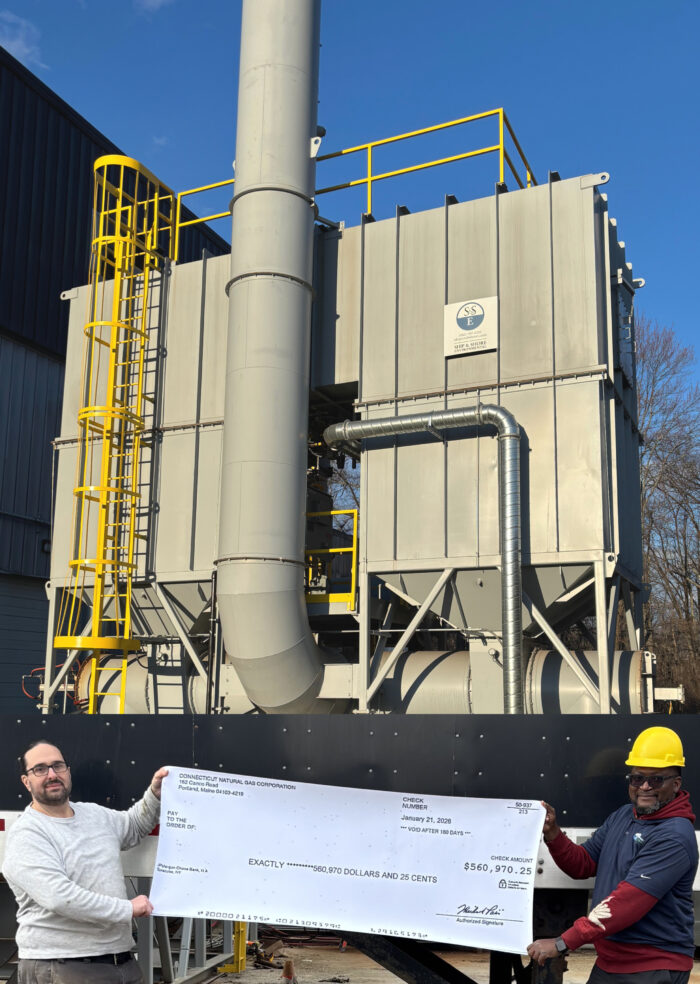
As manufacturers across the United States facegrowing pressure to modernize operations, reduce emissions and improve energy efficiency, Ship & Shore Environmental (S&SE) is helping industrial facilities identify and access available incentive opportunities tied to air pollution control upgrades, energy efficiencyinitiatives and sustainability projects.
June 15, 2026
Why Duct Material Selection Matters for High-Velocity Systems Selecting materials for high-velocity ducts is one of the most critical decisions we make when designing or upgrading an industrial air handling system. The right materials directly influence airflow efficiency, system lifespan, energy consumption, and workplace safety. At Ship & Shore Environmental, we recognize how high-velocity air… View Article
June 12, 2026
Why Ductwork-Design Best Practices for Capture Matter In today’s industrial landscape, precise management of air quality and pollutant capture is more critical than ever. At Ship & Shore Environmental, we understand that successful air pollution abatement starts with the fundamentals-ductwork-design best practices for capture. When ductwork is thoughtfully designed, installed, and maintained, industrial emission control… View Article
June 10, 2026
SSE engineered a 31,000 SCFM RTO for a metal recycler in Colton, California. Explore its VOC-control design, ceramic heat recovery, and production-growth requirements.
June 10, 2026
Understanding Air-Abatement Layouts and Their Importance At Ship & Shore Environmental, we recognize that designing comprehensive air-abatement layouts is a critical factor in achieving optimal indoor and outdoor air quality. As concerns about industrial emissions and sustainability continue to rise, engineering effective air-abatement systems has become more essential than ever. By strategically planning and implementing… View Article
June 8, 2026
Tackling Efficiency Challenges in Low-NOx Burner Operations For those of us working with low-NOx burners, achieving reliable NOx emissions compliance while maintaining operational efficiency has always been a delicate balancing act. Efficiency hacks for low-NOx burner operations are becoming more essential as environmental regulations tighten and fuel costs rise. At Ship & Shore Environmental, we… View Article
June 5, 2026
Why Burner Installation Safety Matters for Our Industry At Ship & Shore Environmental, ensuring safety protocols for burner installations are strictly followed is at the heart of every project we complete. Our industry is deeply intertwined with combustion systems, emissions control, and industrial heating equipment. The installation of burners, whether in thermal oxidizers or flare… View Article

June 4, 2026
The global packaging market has surged to an estimated value of $1.14 trillion but as production lines run faster to keep up with orders, packaging and flexographic printing manufacturers are running into a major operational hurdle: production-stage emissions.
June 3, 2026
Why Proper NOx Burner Startup Matters for Operation and Compliance At Ship & Shore Environmental, we know that ensuring a smooth and safe startup for your NOx burner system is essential for optimal plant operation and compliance with regulatory standards. Applying the right startup tips for NOx burner systems from the beginning sets the foundation… View Article

June 2, 2026
Anoosheh Oskouian’s journey reflects a combination of technical expertise, resilience and a clear sense of responsibility to both industry and the environment.
June 1, 2026
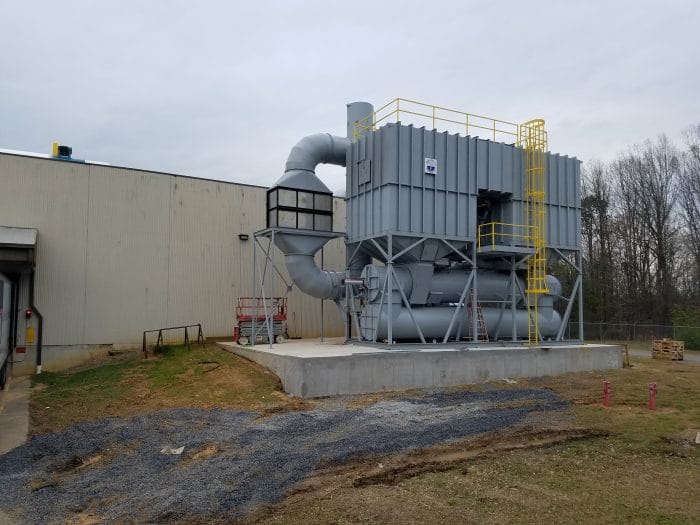
Flexographic and EPS manufacturers can reduce carbon footprint by improving heat recovery, optimizing oxidizer performance, and capturing waste heat already present in the plant.
June 1, 2026
Understanding Advanced Low-NOx Burners and Fuel-Flexibility At Ship & Shore Environmental, we are at the forefront of air pollution control and combustion technology. A driving force behind our solutions is fuel-flexibility in advanced low-NOx burners. As industrial companies face stricter emissions standards and the need to transition between fuel sources, fuel-adaptive low-NOx systems have never… View Article
May 29, 2026
Understanding NOx Regulations and Requirements At Ship & Shore Environmental, we know that staying ahead of environmental standards is more important than ever. Our compliance guide for NOx burner upgrades will help you understand both the regulatory demands and the practical steps needed to achieve lasting compliance. As the push for lower nitrogen oxide (NOx)… View Article
May 28, 2026
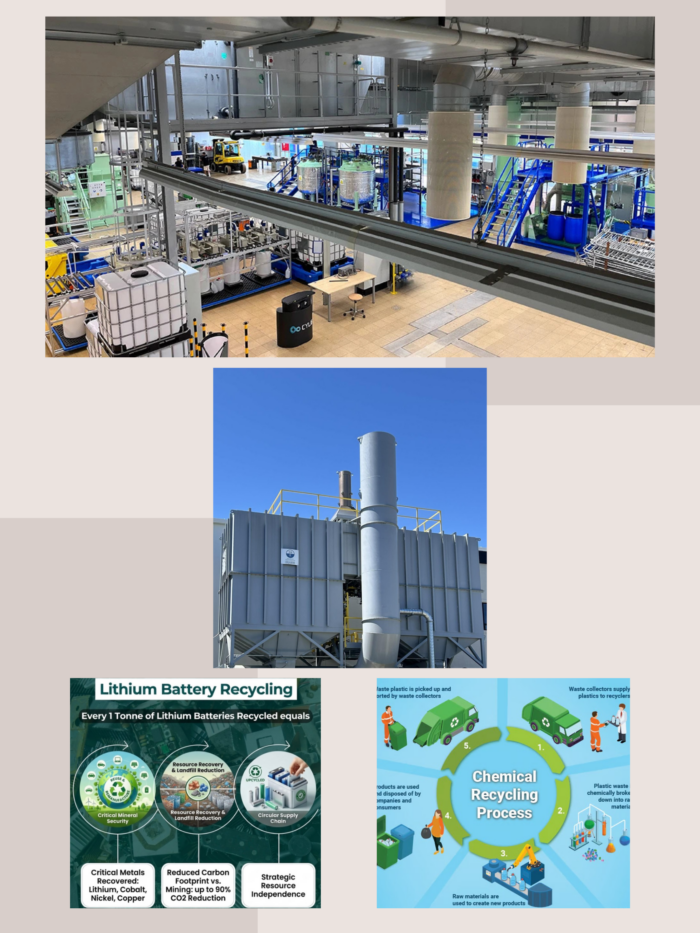
Ship & Shore Environmental today announced increasing demand for industrial emissions control and environmental engineering solutions as manufacturers navigate growing sustainability, battery recycling, sustainable materials production, and operational compliance challenges.
May 27, 2026
Mastering NOx-Burner Maintenance Best Practices for Long-Term Performance At Ship & Shore Environmental, we understand how critical it is to master NOx-burner maintenance best practices. These practices are essential for ensuring sustainable operations, regulatory compliance, and environmental responsibility in 2026 and beyond. Efficient NOx burners not only help us reduce emissions but also extend equipment... View Article
May 25, 2026
Understanding NOx Burners and the Importance of Performance Tuning At Ship & Shore Environmental, we have witnessed first-hand how crucial performance tuning for NOx burners has become in today’s rapidly evolving industrial landscape. NOx burners, specialized combustion systems designed to minimize nitrogen oxide (NOx) emissions, are integral for companies striving to meet stringent environmental regulations… View Article
May 22, 2026
Understanding the Drive Toward Low-NOx Furnace Burner Design At Ship & Shore Environmental, we recognize that designing low-NOx burners for furnaces is no longer just an engineering challenge-it’s a crucial component of modern emission control strategy. With regulatory pressure intensifying and public awareness of air quality rising, industries are investing in technologies that reduce nitrogen… View Article
May 20, 2026
Ship & Shore Environmental engineered a solution that was a custom Regenerative Thermal Oxidizer (RTO), for both emissions control and energy optimization.
May 20, 2026
Understanding Low-NOx Burner Retrofit Options Overview At Ship & Shore Environmental, we understand the growing need for cleaner, more efficient industrial processes. As air quality standards continue tightening across the country in 2026, reducing nitrogen oxide (NOx) emissions from burners is more critical than ever. That’s where our low-NOx burner retrofit options overview becomes highly… View Article